

Can Mauricio Pochettino Replicate Hallmark Intensity He Brought to USMNT with Manchest
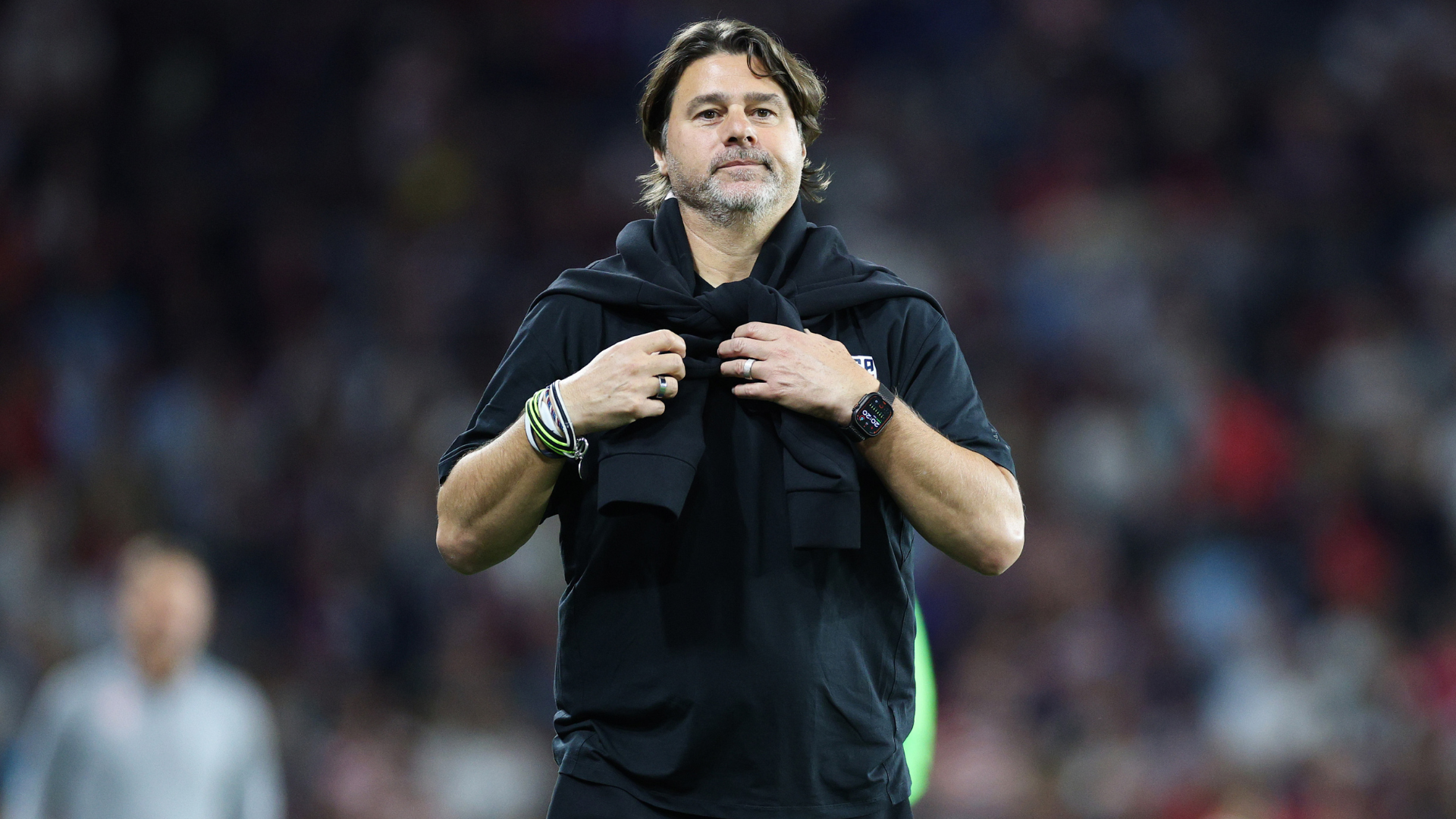
Mauricio Pochettino’s tactical approach, characterized by relentless pressing and high intensity, proved highly effective with the United States Men’s National Team. The challenge now lies in whether he can successfully implement this demanding style at Manchester United, a club whose current squad appears statistically ill-suited to such demands.
The question of whether Mauricio Pochettino can replicate the hallmark intensity he instilled in the USMNT with Manchester United is a complex one, delving beyond simple physical metrics. While statistics can offer insights, they often fail to capture the full picture of a team’s tactical system or a player’s true effort. Senior figures within elite English clubs have even expressed skepticism about the definitive value of running statistics, suggesting they can be misleading.
The common use of sprints as a proxy for effort is particularly problematic. Anyone familiar with football understands that a team controlling possession, dictating the tempo, and reading the game intelligently, much like Sergio Busquets did for much of his illustrious career at Barcelona, will naturally cover fewer kilometers than their opponents. This approach prioritizes efficiency and game management over sheer physical output.
Pochettino’s USMNT Success: Intensity Over Raw Output
Pochettino’s tenure with the USMNT, despite doubts about the players’ ability to sustain high physical demands after a club season, proved remarkably effective. As former USMNT defender Tim Ream noted, the instruction was to “use your brain while physically, you were killing yourself.” This philosophy underscored a system that prioritized intelligent movement and tactical discipline alongside physical exertion.
The results spoke for themselves. While the USMNT’s World Cup campaign ended as many anticipated, their peak performances were defined by dynamic pressing. Their Passes Per Defensive Action (PPDA) of 10.16 placed them sixth among all 48 teams at the tournament, a metric that measures press intensity. This placed them in esteemed company, alongside nations like Germany, Spain, and Uruguay, coached by Marcelo Bielsa, a mentor to Pochettino and a high priest of the high press.
The USMNT’s effectiveness in disrupting opponents was significant. No team that reached the knockout stages forced their opponents into a higher proportion of misplaced passes than the United States, at 22.8%. This statistic highlights the success of their pressing strategy in forcing errors and regaining possession in dangerous areas.
Manchester United’s Athleticism Deficit
Pochettino’s work with the USMNT was facilitated by a player pool that was not only strong and organized but, crucially, athletic. This is a characteristic that is notably absent from the current Manchester United squad, according to Gradient Sports, a leading provider of physical data in football. Their analysis suggests that Manchester United is the least athletic team in the Premier League.
Gradient’s athleticism score, which aggregates various physical data points including accelerations, decelerations, sprint distance, and maximum speed, places Manchester United and Nottingham Forest significantly behind the rest of the league. In terms of average maximum speed among outfield players, United ranks 19th out of 20 teams, a full 5% slower than more dynamic sides like Bournemouth and Liverpool.
The tactical approach under previous management, potentially influenced by Michael Carrick, may have emphasized possession control and a more measured build-up play, contrasting with the direct, high-intensity approach of teams that frequently counter-attack. However, the current United squad, featuring players like Harry Maguire, Youri Tielemans, and Kobbie Mainoo, does not intuitively align with a high-octane, pressing style.
Defensive and Midfield Athleticism Concerns
Data from Gradient further illustrates these concerns. The three primary center-backs – Maguire, Lisandro Martinez, and Ayden Heaven – all rank in the bottom third or lower for their positions regarding top speed, acceleration, deceleration, and the percentage of runs made at high speeds (20-25 km/h). This lack of pace and explosiveness at the back could be a significant vulnerability for a high-pressing system.
The midfield unit presents a similar picture. Players like Andrey Santos, Mainoo, and Tielemans also exhibit below-average athletic profiles. The one central midfield option with an impressive athletic profile, Carlos Baleba, is currently sidelined through injury. Ironically, Baleba’s hamstring injury occurred during a powerful midfield run, highlighting how even high-intensity efforts can strain the current United squad.
This physical limitation might explain the team’s reluctance to engage in high-intensity pressing. Opta data indicates that midfielders such as Santos (56.2%), Tielemans (56.8%), Bruno Fernandes (57%), and Mainoo (57.3%) apply pressure to a relatively low percentage of opponent touches, placing them among the bottom 12 midfielders in the league with over 300 minutes played. Similarly, forwards like Marcus Rashford, Bryan Mbeumo, Matheus Cunha, and Amad Diallo are among the least active pressers in the top flight.
Pochettino’s Adaptability and Past Successes
Despite these apparent shortcomings, Pochettino has demonstrated a capacity for adaptation. His recent work with Chelsea in the 2023-24 season saw him implement a surprisingly effective high press, even with a squad that did not always appear comfortable hunting the ball. Under his guidance, Chelsea ranked above the league average in PPDA, opponent pass completion, and ball recoveries, particularly excelling in duels in the final third.
This suggests that Pochettino can, to some extent, extract more intensity from players who may not possess elite athletic attributes. The United players themselves showed flashes of greater dynamism last season, indicating that a higher gear might be accessible.
However, the decision to appoint Pochettino, a manager they have had opportunities to hire multiple times previously, is particularly intriguing given the current squad’s profile. While it remains to be seen whether the players can unlock another level of performance under new leadership, the existing data raises significant questions about the club’s recruitment strategy and their belief that this squad is primed for Pochettino’s demanding tactical philosophy.
The success of Pochettino’s high-intensity approach hinges on more than just raw physical data. It requires intelligent application, tactical discipline, and a collective willingness to execute a demanding game plan. While the USMNT provided a fertile ground for this style, Manchester United presents a far more challenging landscape. The coming months will reveal whether Pochettino’s renowned ability to galvanize a team can overcome the statistical evidence of their athletic limitations, or if this appointment represents a fundamental mismatch between manager and squad.
The tactical blueprint that made the USMNT a pressing force at the World Cup relied on a blend of intelligence and physical commitment. The quote from Tim Ream about using one’s brain while physically exerting oneself encapsulates this philosophy. It’s a testament to Pochettino’s coaching that he could foster such a cohesive and effective unit, even with players who might not have been considered elite athletes in a traditional sense.
The contrast with Manchester United is stark. The club’s historical identity is often associated with dynamism and power, yet current data points to a team that is, by many measures, the least athletic in the Premier League. This presents a significant hurdle for any manager aiming to implement a high-energy, pressing system. Pochettino’s past successes, such as his work at Tottenham Hotspur, were built on teams that possessed significant physical capabilities and a relentless work rate.
The question for Manchester United is whether the existing players can be coached to perform at a level of intensity that their physical profiles currently suggest they lack. Can Pochettino, known for his ability to improve players and instill a strong team ethos, unlock this potential? Or will the inherent limitations of the squad prove to be an insurmountable obstacle?
The data from Gradient Sports, highlighting United’s low average max speed and the athletic profiles of key defenders and midfielders, cannot be ignored. It suggests that a direct replication of the USMNT’s pressing intensity might be difficult without significant personnel changes or a drastic improvement in the physical conditioning and tactical understanding of the current players.
Ultimately, Pochettino’s success at Manchester United will depend on his ability to adapt his methods to the available resources, or his capacity to influence the club’s recruitment to bring in players who fit his demanding style. The challenge is substantial, and the early signs from the data suggest a long road ahead in trying to replicate the hallmark intensity that defined his USMNT tenure.

Leave a Reply