

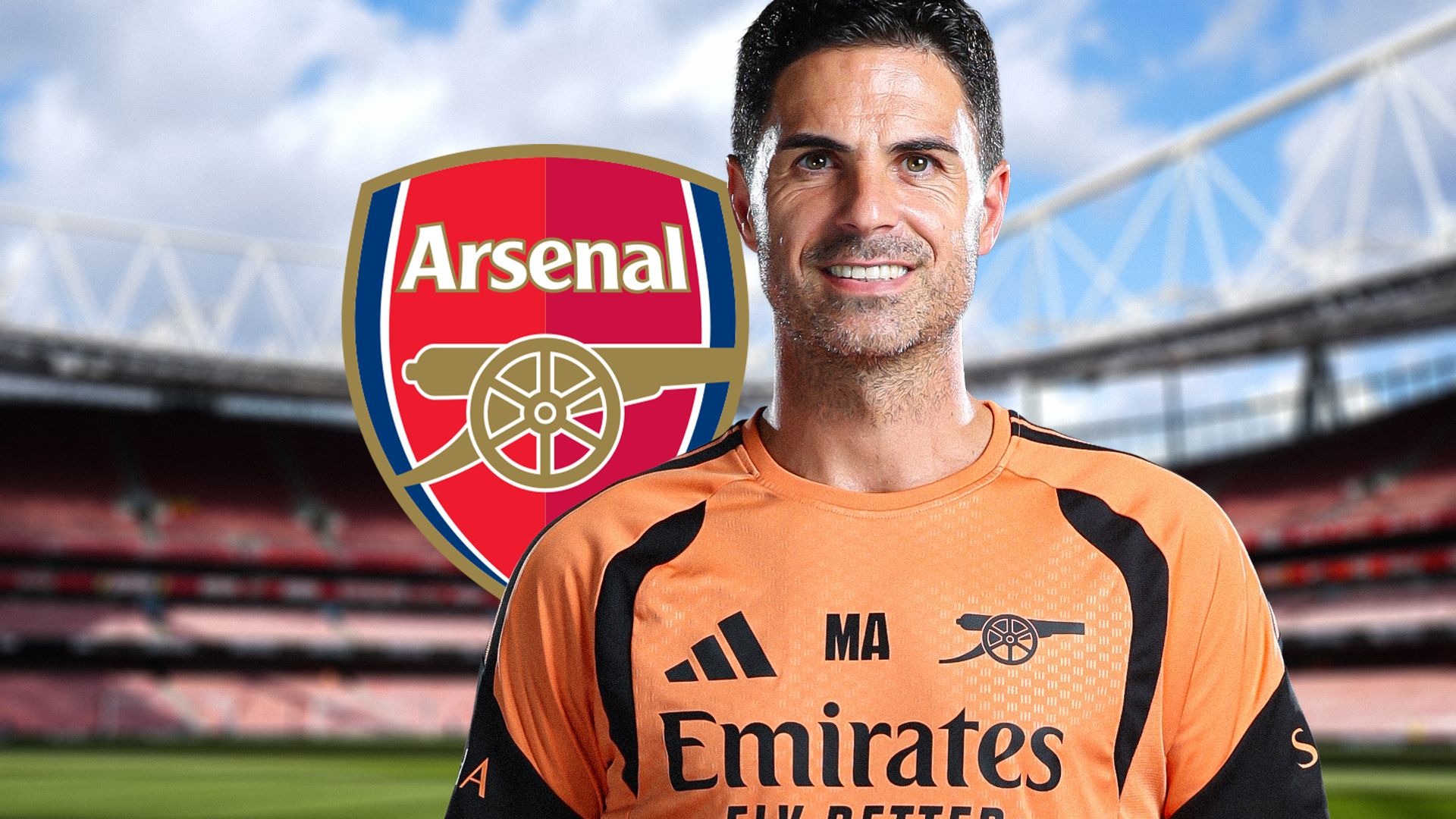
Retaining titles is tough but Arteta’s Arsenal are built differently
Arsenal are showing early signs of being equipped to overcome the significant challenge of retaining a Premier League title, a feat that has historically proven elusive for the club and many champions across sports.
The euphoria of winning a league title, especially after a long drought, can often lead to a dip in performance the following season. This phenomenon is well-documented, with legendary basketball coach Phil Jackson noting in his book ‘Eleven Rings’ that the year after a championship is invariably the most difficult.
Jackson highlights the psychological hurdles, explaining how team chemistry can dissolve as individual egos emerge. Rick Fox, a three-time NBA champion, likened winning a title to receiving an Oscar, stating it defines one’s identity and can alter expectations. “You win a championship and you all go away and get patted on the back for several months. Then you return for the new season and you’re saying, ‘This is what I want to happen for me.’” This shift in individual focus can be detrimental to team cohesion.
The Arsenal Context: A Title Won, A New Challenge Ahead
Arsenal’s recent Premier League triumph, their first in 22 years, was a moment of immense catharsis for Mikel Arteta and the club. The intensity of their pursuit was palpable throughout the season. However, the immediate task for Arteta was to ensure this victory did not mark an endpoint but rather a new beginning.
Evidence suggests that this Arsenal side might be different. Several factors point towards their potential to sustain success, moving beyond the typical post-championship slump.
Historical Precedents and Motivational Tools
The very history of Arsenal Football Club provides a unique motivational backdrop. The club has never successfully retained a Premier League title. This includes the eras of legendary managers like Bertie Mee, George Graham, and Arsène Wenger, none of whom achieved back-to-back league championships.
The club’s last period of sustained dominance, the three consecutive league titles in the 1930s, was achieved under three different managers. Herbert Chapman’s passing led to Joe Shaw’s caretaker role for the second title, followed by George Allison for the third. For Arteta, surpassing this historical benchmark would be a significant personal and club achievement.
The Champions League Final and a Shift in Mentality
While the Premier League title was secured, the Champions League final defeat, though disappointing, may have inadvertently served to prevent a sense of finality. The mood following that loss reportedly shifted towards defiance rather than complacency. This resilience is a crucial ingredient for sustained success.
Declan Rice articulated this sentiment, stating, “We are going to use this moment to fuel us for the upcoming seasons – speaking to the players and the manager, there is no reason why we are stopping here. Next year, we are going to go even stronger and we are going to be ready again.” This forward-looking perspective is vital.
Current Form and Sustained Focus
Ten games into the current Premier League season, Arsenal find themselves five points clear at the top of the table, with bookmakers favouring them to retain the title. In the Champions League, they remain unbeaten, sitting third in their group. Crucially, they boast the best defensive record in both competitions.
This strong start indicates a continued focus and a lack of complacency. The team appears to have maintained its purpose and drive, suggesting that Arteta’s influence on the club’s psychology is profound. The manager’s own mindset, that the job is far from done, likely permeates the squad.
Arteta’s Strategic Messaging and Club Culture
The club’s actions and messaging have consistently reinforced the idea of a journey rather than a destination. The branding celebrating the title win was quickly removed from the stadium, a subtle but significant signal that the focus had already shifted.
The summer’s most expensive signings, Bruno Guimarães and Ezri Konsa, were experienced players who had yet to win major honours. This suggests a recruitment strategy aimed at players hungry for further success, rather than those content with past achievements.
Even Arteta’s contract extension was framed as a commitment to a long-term project. “What is so exciting is that this is only the beginning of what we can achieve together,” he stated after signing his new four-year deal. This narrative of continuous development is key to maintaining motivation.
Long-Term Vision and Managerial Tenure
Jose Mourinho’s observation about Arteta’s framing of the club’s progress highlights the manager’s unique approach. While Arteta is already the longest-serving manager in English football, having been in the role for seven years, his rhetoric consistently emphasizes the early stages of their project.
This long-term perspective, coupled with a clear understanding of the psychological challenges of sustained success, positions Arsenal differently. Unlike clubs where immediate results are paramount, Arteta appears to be building a culture focused on continuous improvement and evolution.
The Psychology of Sustained Success
The challenge of retaining a title is multifaceted, encompassing physical endurance, mental fortitude, and the ability to adapt to opponents’ strategies. Teams that have won can become targets, facing increased pressure and a heightened level of opposition.
Arteta’s awareness of these psychological dynamics is a significant advantage. By framing the current success as a foundation for future achievements, he aims to prevent the “Oscar effect” described by Fox, where past glory can lead to a sense of entitlement or a change in individual ambition.
The manager’s ability to foster a collective hunger, where individual accolades are secondary to team success, is crucial. This requires constant reinforcement of goals, a clear tactical identity, and a squad that buys into the overarching vision.
Looking Ahead: Arsenal’s Potential for Longevity
While the season is still in its early stages, the indicators are positive for Mikel Arteta’s Arsenal. They have navigated the immediate aftermath of a title win with remarkable focus and have demonstrated a clear understanding of the psychological pitfalls that often derail champions.
The combination of historical motivation, a resilient mentality, strategic club messaging, and a manager deeply attuned to the psychology of sustained success suggests that Arsenal are indeed built differently. Their journey to retain the title will undoubtedly be challenging, but the foundations appear to be in place for them to defy the odds and continue their ascent.
The Premier League title race is a marathon, not a sprint, and Arsenal’s current trajectory suggests they have the mental and strategic fortitude to remain competitive for years to come, potentially establishing a new era of sustained dominance.
Read more on Arsenal’s title defence challenge
Related coverage
- This is not a new Arsenal. It is the same Arsenal, but better

Leave a Reply