

Who’s to Blame for Manchester United’s Decline? Ranking the Biggest Culprits
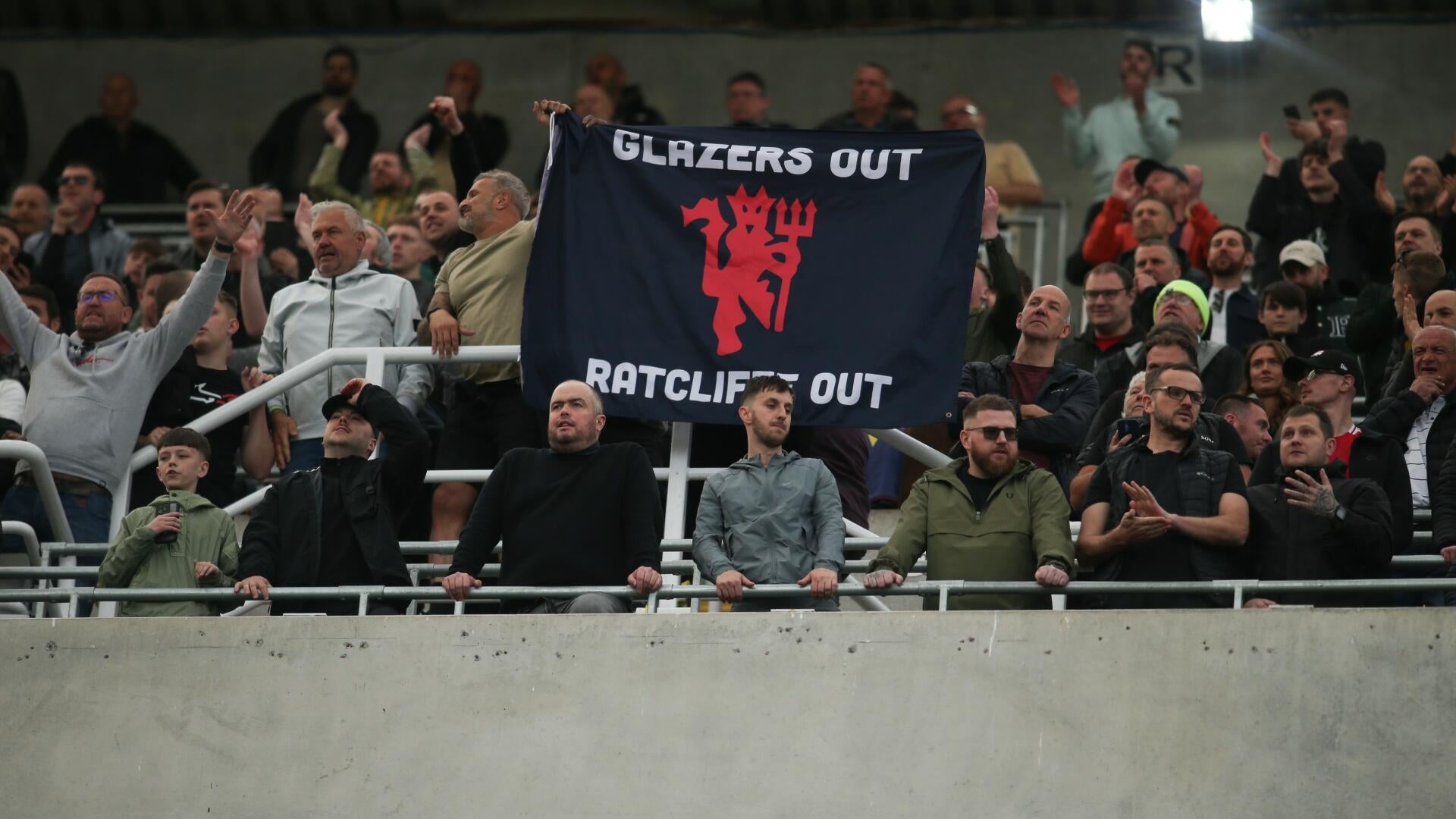
Manchester United finds itself embroiled in yet another season of crisis, with a recent home defeat amplifying calls for accountability across the club.
The familiar pattern of fan frustration, directed at ownership, executives, and players alike, has resurfaced at Old Trafford. This latest downturn, marked by a stark 3-0 loss to AFC Bournemouth, underscores a deeper malaise that extends far beyond the managerial hot seat. The recurring nature of these defeats, with Bournemouth securing three victories at Old Trafford in just two years, highlights a concerning trend of underperformance against even seemingly lesser opponents.
A Pattern of Mismanagement
The club’s struggles are increasingly attributed to profound mismanagement, a complex issue that no single individual can resolve. This systemic dysfunction means blame is widely distributed, affecting multiple levels of the organization. The cycle of managerial changes, with coaches from various backgrounds failing to instill lasting stability, points to an institutional problem rather than isolated failures.
The narrative surrounding Manchester United’s decline suggests a club adrift, cycling through different coaching philosophies without addressing the core issues. From attempts to replicate Eddie Howe’s Premier League resilience to the pursuit of a Conte-like winner or a Rangnick-inspired pressing game, the club’s recruitment of managerial talent has often seemed reactive rather than strategic. The suggestion of further unconventional appointments, like a former Ajax coach, illustrates the perceived depth of the club’s challenges.
Questioning Managerial Impact
While the focus often falls on the head coach, the evidence suggests that managerial changes alone are insufficient to rectify the club’s deep-seated problems. The recent performance against Bournemouth, described as remarkably unremarkably poor, indicates that the issues are more ingrained than a single individual’s tactical approach.
The article points out that even a manager like Michael Carrick, who achieved Champions League qualification by guiding the team to a third-placed finish, has struggled to see sustained improvement. His ability to simplify tactics and leverage key player performances, such as Bruno Fernandes’ form, was evident. However, the subsequent struggles suggest that his success was perhaps more a reflection of maintaining existing strengths rather than building a new, dominant team.
The question arises whether any coach, regardless of pedigree, could truly succeed amidst such organizational challenges. The article implies that projecting future success based on brief periods of good form, or conversely, discounting a coach’s ability due to a confluence of injuries and poor results, offers an incomplete picture.
Broader Accountability
The sentiment among the Old Trafford faithful, as evidenced by chants during the Bournemouth match, suggests a recognition that blame extends beyond the manager. The club’s history of falling into cycles of nostalgia and despair when facing adversity is a recurring theme.
Even when the team has shown positive signs, such as performing well in defeat against Atletico Madrid, underlying issues persist. The analysis highlights that Manchester United’s goalscoring has often lagged behind their expected goals (xG), while conceding more than anticipated. This statistical discrepancy points to inefficiencies in both attack and defense that are not easily fixed by a change in management.
Ultimately, the club’s current standing, hovering precariously close to the relegation zone, is seen as a stark indicator of the systemic failures. A clear-eyed assessment suggests that while the team possesses talent, it is vulnerable to significant wobbles. The path forward requires more than just tactical adjustments; it demands a fundamental reevaluation of leadership, strategy, and execution across all levels of Manchester United.
The ongoing crisis at Manchester United is a complex tapestry woven from multiple threads of accountability. While the manager often bears the immediate brunt, the evidence increasingly points towards a broader spectrum of responsibility, encompassing ownership, executive management, and the collective performance of the playing squad.
The club’s historical context, marked by periods of immense success followed by prolonged downturns, adds another layer to the analysis. The reliance on past glories and the struggle to adapt to the modern football landscape have contributed to the current predicament. Addressing these deep-rooted issues will require a comprehensive and sustained effort to rebuild trust and competence within the institution.


Leave a Reply